Multilayer Ceramic Capacitors
MLCCs for electronics design and sourcing, backed by in-house materials development, manufacturing, and reliability testing.
- Founded
- 2022
- Total site area
- ≈ 160,000 m²
- Manufacturing base
- Yixing
Explore our MLCC series
- X7R
- General-purpose MLCCs for decoupling and filtering, with options in 0603, 0805, and 1206.
- Ask about this series
- C0G / NP0
- Temperature-stable, low-loss MLCCs for precision, timing, and high-frequency circuits.
- Ask about this series
- High Voltage
- MLCC options for higher-voltage power and protection circuits. Ask us about available ratings and case sizes.
- Ask about this series
Wuxi Hairong Electronics Co., Ltd.
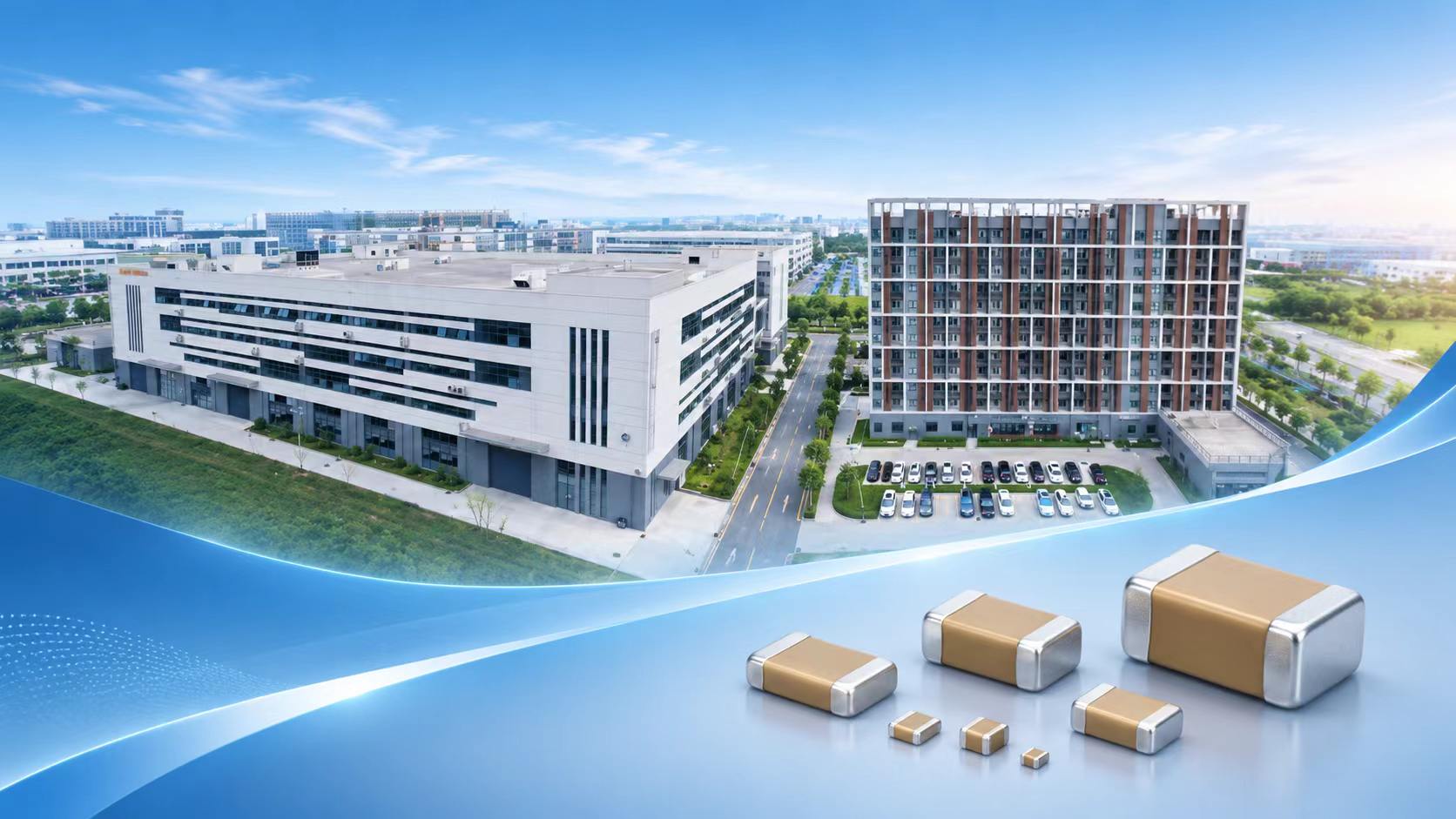
At our approximately 160,000 m² site in Yixing, Jiangsu, we develop and manufacture passive electronic components, with a focus on multilayer ceramic capacitors (MLCCs). Our engineering and production management teams bring together professionals with years of experience in China and abroad.
We develop and produce ceramic powders and conductive pastes in-house and design key production equipment. By bringing materials research, equipment design, and manufacturing together, we aim to deliver reliable, consistent, and cost-effective components.
Recognition & credentials
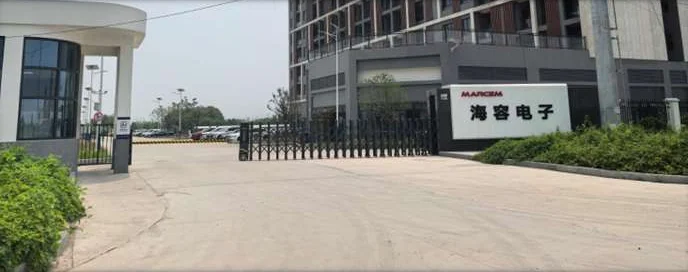
We received China’s Technology-Based SME designation. Our intellectual property includes utility model patents and software copyright registrations.
Contact our team to verify the scope and validity of certificates for ISO 9001, ISO 14001, or ISO 45001.
Request documentation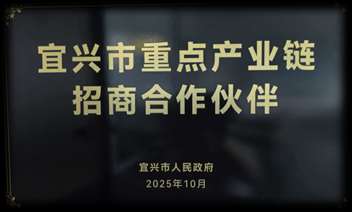
From materials to manufacture
Our in-house production system monitors equipment utilization, dispatches work in progress and tracks orders as they move through the line.
Explore manufacturingWhat we test
Electrical verification
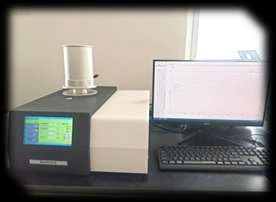
Measure capacitance, insulation resistance, voltage withstand, and impedance.
Reliability Testing
Evaluate performance under temperature cycling, thermal shock, heat, and humidity.
Mechanical reliability
Board-flex, termination adhesion and fracture resistance testing.
Failure analysis
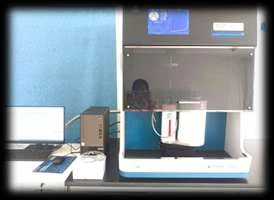
Investigate defects with X-ray inspection, FIB/TEM cross-section analysis and SEM/EDX elemental analysis.